




3D Bin
Picking
Powered by AI Vision







Watch Eureka bin picking systems at work
With a simple setup and integration with any robot brand, Eureka’s AI Vision system makes vision-guided robotics accessible to any engineer.
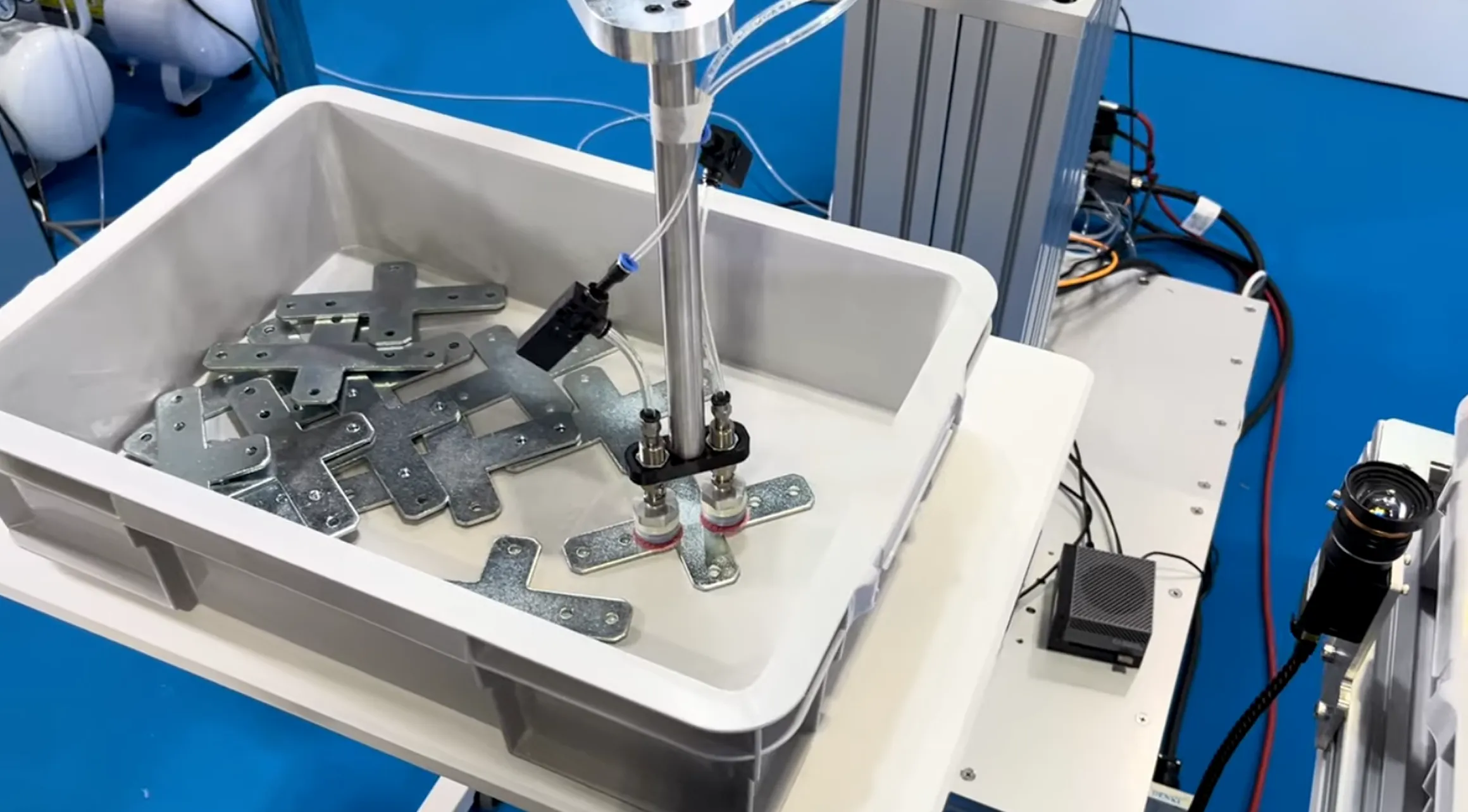

Picking and sorting metal parts
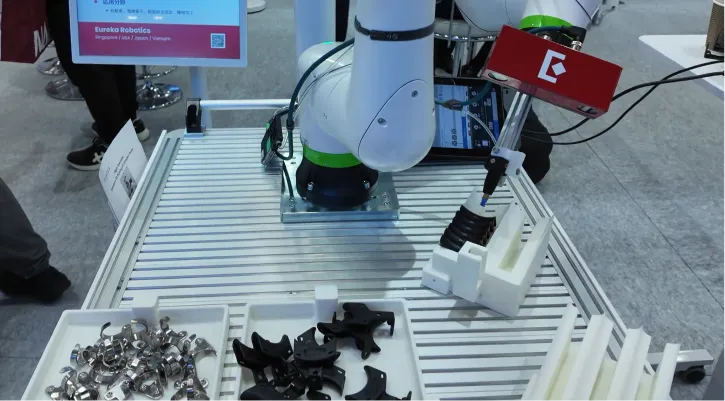
Picking and placing complex parts into jigs
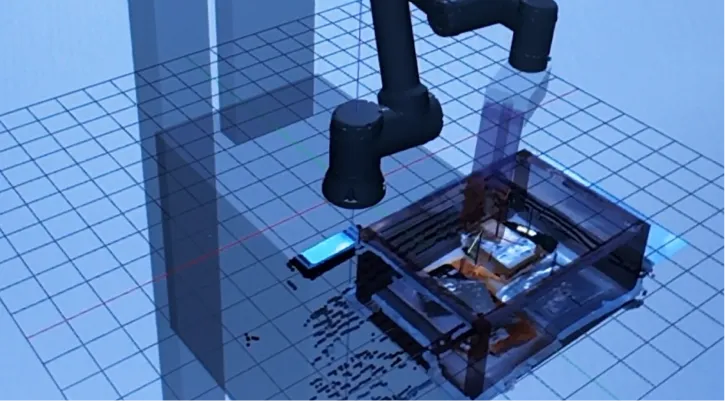
Masterless bin picking for eCommerce
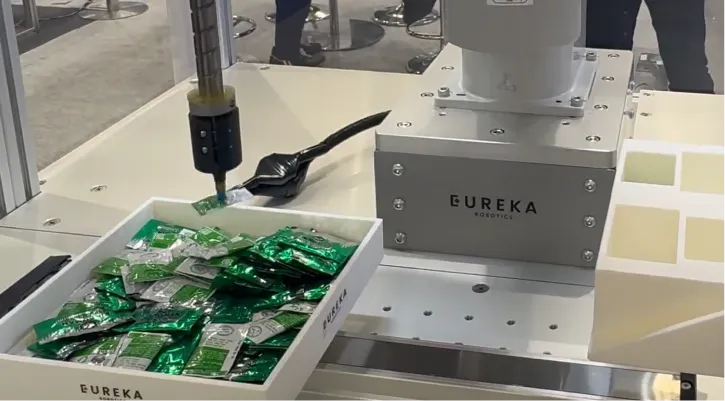
High-speed picking and sorting of shiny pouches


Four jobs your operators do today, automated with AI Vision
Pick
Reach into bins, totes, and conveyors. No fixtures, no presentation.
Stack
Build pallets, trays, and dunnage layers from random infeed.
Sort
Recognize 100+ SKUs from a mixed conveyor and route each one.
Load
Feed CNCs, presses, and downstream machines without operators.
3D picking that finally makes economic sense
Until now, AI vision projects stalled on cost. Cost to evaluate. Cost to deploy. Cost to maintain. Eureka removes all three.
Send us your parts for a free feasibility check
Tell us about your application below. We confirm fit, send a prepaid FedEx label, and reply with a pick video plus written verdict within 72 hours – depending on part complexity.
Request an evaluation
Tell us about your application. Our engineers will get back to you within the day.
Ship us your parts
We send a prepaid FedEx label to receive your parts. Quantity depends on the application.
Video back in 72 hours
You'll receive a feasibility verdict plus a video of your parts getting picked by our demo cell.
Your vision questions answered
Hands-on advice from our application engineers and vision experts.
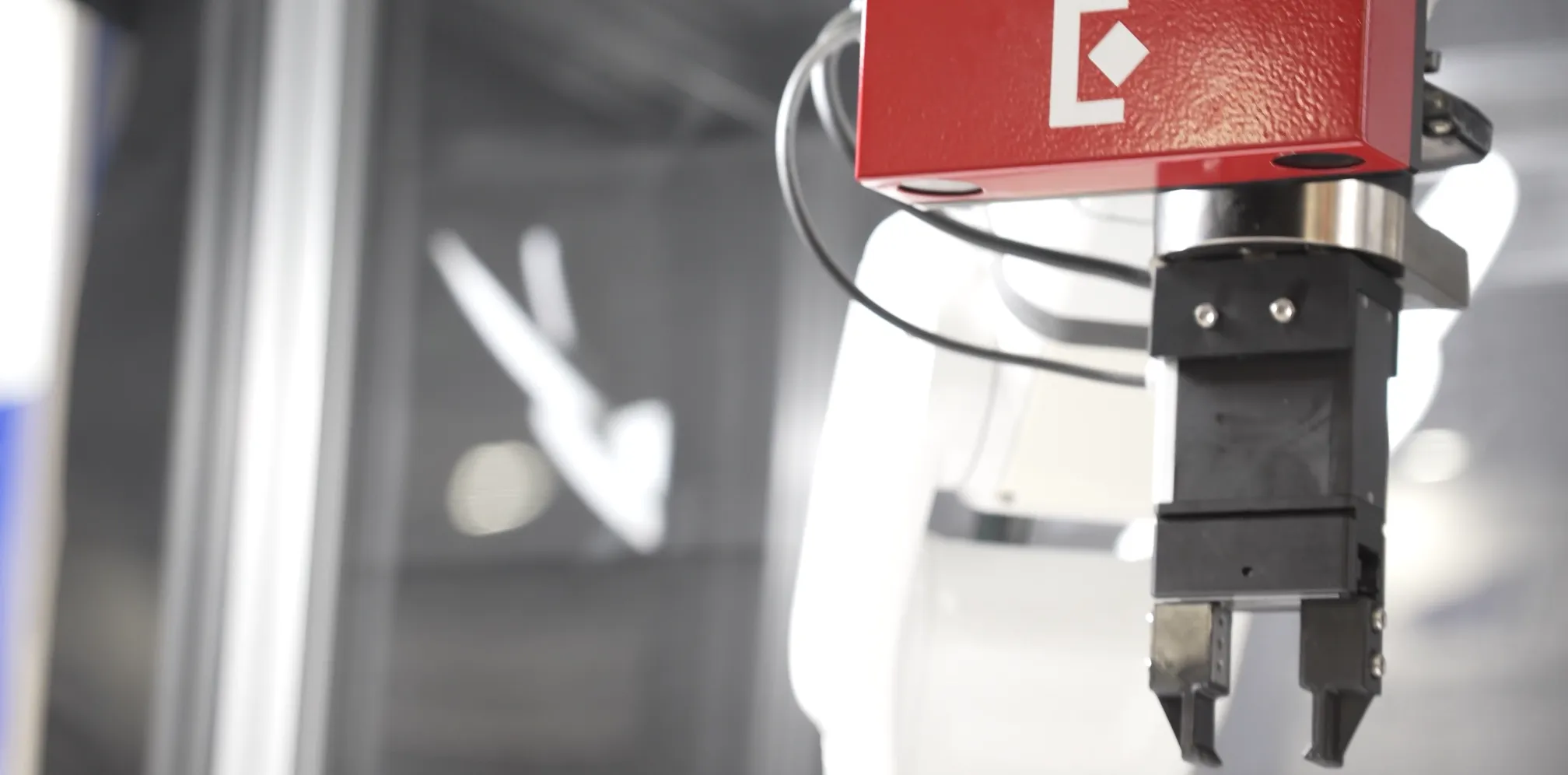
Vision-guided bin picking: A field guide for engineers
A step-by-step guide to creating your first bin picking system. Learn about hardware, software, and integration.
Frequently asked questions
What types of parts work well with bin picking — and which ones don't?
Matte surfaces, simple geometry, and a flat area a suction cup can seal against are ideal. Large parts relative to the container with bulk placement at the destination are the easiest to deploy.
Reflective metals, transparent or dark materials, irregular shapes, high part density, and tight placement tolerances all add difficulty. Fully transparent parts like pure glass are generally not viable today. Translucent parts are difficult but often workable.
The fastest way to find out is to send us your parts for a complimentary lab trial. For a full feasibility breakdown, see our Bin Picking Field Guide.
What pick success rate and cycle time should I expect in production?
Typical production cells achieve 4–8 second cycle times and 98–99.9% pick success rates. Simple parts picked by suction and placed in bulk run around 5 seconds. Complex parts needing precise finger positioning run 7–8 seconds.
Cell design choices compound: fixed cameras are 1–2 seconds faster than in-hand, suction cups 1–2 seconds faster than finger grippers, and industrial robots 3–4 seconds faster than cobots.
If a vendor promises 100% success out of the box, be skeptical. Plan for a tuning period and set acceptance criteria that reflect production reality, not demo conditions. More detail in our Field Guide.
How long does deployment take from start to production?
One to two weeks of offsite preparation (model training, application logic, initial tuning), plus a few days to two weeks of onsite installation and ramp-up. Getting a first pick in an afternoon is realistic. Getting to stable production takes longer.
The time most consistently underestimated is testing, troubleshooting edge cases, and fine-tuning on site — that's where most engineering hours go.
Do I need a system integrator, or can I work directly with Eureka?
Unless you have a strong internal engineering team with mechanical, electrical, and software capabilities, we recommend bringing in a system integrator. Eureka provides the 3D camera, AI vision software, and application engineering support, but we don't do end-to-end integration.
The most successful projects involve three teams: Eureka handling vision and software, a local integrator handling mechanical and electrical build-up, and your internal team providing production knowledge and project ownership. If your SI is new to bin picking, we can get them up to speed.
How do I add new SKUs over time — and what does that cost?
Systems that require vendor involvement for every new part create dependencies that get expensive over time. Eureka's system lets customers train new SKUs independently. Depending on complexity, adding a part can take minutes to days — but you control the timeline and cost.
This does require dedicating internal engineering resources to training during deployment. It's an investment that pays for itself as your SKU count grows. For more on how AI handles part variability, see our article on Machine Learning for Bin Picking.
What's the best way to test whether bin picking will work for my parts?
A picking demo in our lab with your actual parts. Real hardware surfaces surprises early, when they're cheapest to address. The demo tests the two biggest risks: whether vision can accurately locate your part, and whether the robot can reliably pick it.
We offer complimentary lab trials. Send us your parts and we'll give you a straight answer on what's feasible.
What is bin picking?
Bin picking uses a robot guided by 3D vision and AI to pick individual parts from a bin where they're randomly arranged. It replaces manual loading in manufacturing when parts arrive in bulk without consistent orientation.
A complete system includes a 3D camera, robot arm, AI software for part detection and grasp planning, an end-effector, plus mechanical, electrical, and safety infrastructure. Modern systems achieve 4–8 second cycle times and 98%+ pick success rates in production.
For a comprehensive overview, see our Bin Picking Field Guide.